Ever since the 1990s the amount of time that people have spent on their screens has dramatically increased weather they’re playing xbox, using their phone, or watching tv. As parents have allowed their kids to increase the amount of time they spend on screens we have started to see negative effects, kids have become more distracted from school and grades have worsened, kids are losing sleep, and some video games are even making kids become more violent and less compassionate. With this, parents should decrease the amount of time that their kids spend.
Let’s start with the fact that screen time is making kids lose more sleep at night. As kids begin to see increases in the amount of time that they spend on screens, the amount of melatonin in their brain, which is the chemical used to help you fall asleep, decreases causing kids to take longer time to fall asleep, so now it take longer time for them to fall asleep. This is seen as Zarin Rahman, who is writing for the Washington Post, points out that, “the light emitting from electronic devices mimics daylight, shutting off the part of the brain that creates melatonin, the chemical in your brain used to help you fall asleep”.This shows that kids will struggle to fall asleep as they increase screen time, so if parents were to decrease the amount of screen time they get, the better sleep they’ll get. Also, studies show that kids who don’t have devices near them or have devices off when they sleep get better sleep then those who have devices off. This is seen as Melissa Dahl, who is writing for the Today, comments finds that, “these really, the more interactive devices, like video games or their tablets, are mentally stimulating. And so that’s also going to make it harder for them to go to sleep once they finally try. And it’s a distraction, so they’re just staying awake later because they’re playing with their devices.”This shows that if parents were to decrease and even take away devices from children when they are about to go to sleep they will get better and longer sleep.
In addition to screen time making kids lose sleep at night, it also hurts them in school. Dopamine is the chemical in the brain that triggers pleasure and reward. As kids increase increase screen time, there bodies start to develop a dopamine habit towards the electronics. On the other hand, there bodies aren’t able to generate the same dopamine habit towards something like school causing them to be distracted. Nicole crawford recognizes this in her article for breaking muscle, “When kids start to develop a dopamine habit towards something like screen time, it’s hard for them to focus in school as they aren’t able to generate enough dopamine for school.”This shows that as kids start to increase the amount of times that they spend on their devices, then they start to get a greater tolerance on dopamine for electronic devices, so if parents were to limit the amount of time their kids spend on electronic devices then they will focus more in school.Also, as kids begin to increase the amount of time they spend on screens, studies show that their grades begin to decrease. This is seen as memory-key.com reveals that, “A study involving 845 secondary school students has revealed that each hour per day spent watching TV, using the internet or playing computer games at average age 14.5 years was associated with poorer GCSE grades at age 16.” This shows that if parents were to decrease the amount of time they spend on screens then there grades will get better as the kids who spent the most amount of time on their screens grades worsened. Alternatively some parents think that increases in screen time are better for children as they keep them occupied. On the other hand, while screen time may keep kids occupied, as kids start to increase the amount of time that they spend on screens it can lead to increases in weight over time and even obesity. This is seen as webmd reveals that, “in one study, teens who spent the most time in front of the screen had the biggest increases in body fat over time”.This shows that while the kids stay occupied they begin to gain weight as they are spending less time moving around or exercising, so if parents were to decrease the amount of time that their kids spend on devices and more time exercising they lower the risk of their kid getting obesity.
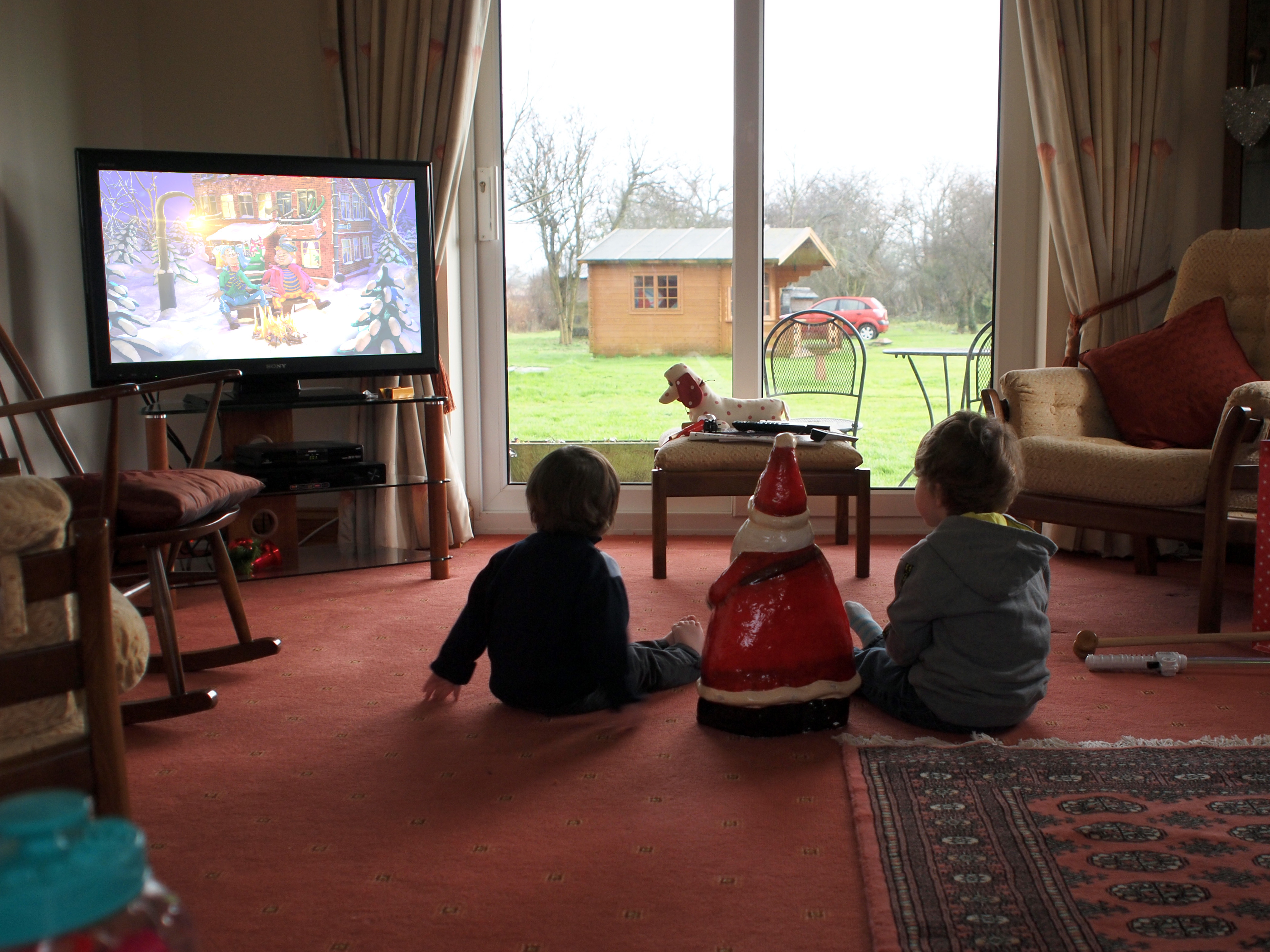
Next, things like violent video games are making kids more violent and less compassionate towards others. As kids start to increase the amount of time that they spend on things like violent video games their behavior begins to alter towards them becoming more violent themselves because as you spend more time around something the more you become like the thing that you spend time around. This is seen as webmd points out that, “scientists found that the ones that involve war, violence, and murder can make you more aggressive and less sympathetic toward other people. They may also make it more likely that you’ll do something violent yourself.This shows that increases in screen time leads to people’s emotion becoming more violent and less compassionate. Also, kids are more likely to get in trouble in school. This is seen as Mike Snider, who is writing for USA Today, reports that, “analysis of 24 studies from countries including the U.S., Canada, Germany and Japan found those who played violent games such as “Grand Theft Auto,” “Call of Duty” and “Manhunt” were more likely to exhibit behavior such as being sent to the principal’s office for fighting or hitting a non-family member.” This shows that as kids begin to increase the amount of time that kids begin to spend on school they start to become more aggressive more other so if parents were to limit the amount of time kids spend with violent video games they will be less violent. Alternatively, some parents believe that some TV shows may be educational for toddlers. On the contrary, this isn’t true as the toddlers don’t know what’s going on. This is seen as Nicole Crawford, who is writing for breaking muscle, reveals that, “according to research scientist Yalda T Uhls of the Children’s Digital Media Center, children younger than age two don’t understand that the world on the screen corresponds to their world, and have a hard time translating what they see into real life.Without social interactions, screens at young ages don’t teach anything.”while the shows that the children may be watching may be educational they don’t take any of it in as they struggle to translate it into the real world.

For the most part, as we continue to find problems in screens, kids will still continue to use them everyday.As they increase the amount of time that they spend on their devices, their grades begin to worsen and they come more distracted in school, kids begin to lose more sleep,higher their chance for obesity ,and things like violent video games make kids more violent. In order to move towards a world where we decrease the amount of screen time used the kids need to be held responsible for the amount of time they spend.